
Living in Lower Alabama for 10 years gives you a perspective that newcomers don’t yet have. You remember what the area felt like before the growth, before the wider roads, before the new schools, and before so many people discovered what made this part of the state special.
Over the past decade, Lower Alabama hasn’t lost its identity — it’s refined it. The region has grown in visible, measurable ways, but the pace of life, sense of community, and connection to nature remain deeply intact. Whether you’ve lived in Baldwin County, Mobile, or towns like Fairhope, Daphne, Foley, or Spanish Fort, the changes are noticeable — and for the most part, they’ve been intentional.
Here’s what’s changed over the last 10 years, and what long-term residents and those considering a move should understand today.
1. Growth Is Everywhere — But It’s Thoughtful
One of the most obvious changes after living in Lower Alabama for 10 years is development. New neighborhoods, improved roadways, expanded shopping centers, and community amenities have become part of everyday life.
Baldwin County in particular has seen major expansion, but it hasn’t felt chaotic. Cities like Spanish Fort, Daphne, Fairhope, and Foley have grown with structure — sidewalks, parks, community pools, and planned traffic flow are now standard in many new developments.
The area feels more complete than it did a decade ago. There’s more convenience without the congestion that plagues larger metro areas.
2. Schools Have Modernized and Expanded
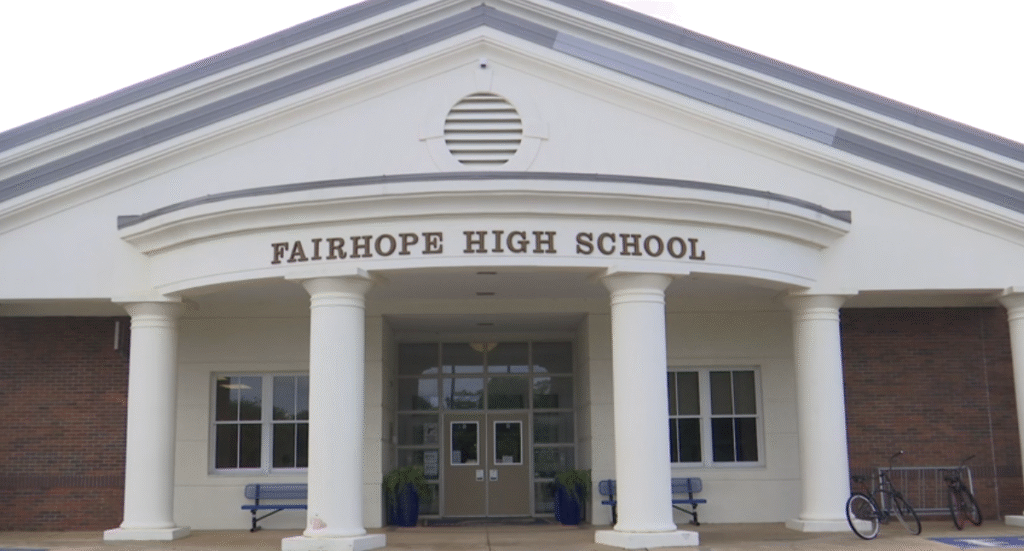
Families who’ve lived here long-term have watched the school system evolve dramatically. Over the last 10 years, Lower Alabama has invested heavily in education, especially in fast-growing areas.
New school buildings, campus expansions, and updated programs have raised the bar. Schools in Daphne, Spanish Fort, and Fairhope now offer strong academic performance alongside robust arts, athletics, and advanced coursework.
What stands out most is accessibility. Quality schools aren’t limited to the most expensive neighborhoods, making it easier for families to build long-term roots without stretching their budgets.
3. The Cost of Living Still Works in Your Favor
Even with growth, affordability remains one of Lower Alabama’s strongest advantages. Long-term residents know this well — while prices have increased, they’ve done so at a pace that still feels manageable compared to many parts of the country.
Housing remains attainable.
Property taxes are still low.
Everyday expenses feel reasonable.
For people who’ve lived elsewhere or considered leaving, this balance often becomes the deciding factor to stay. The cost of living supports stability, not constant financial pressure.
4. Lifestyle Has Become More Intentional
After 10 years in Lower Alabama, you notice how lifestyle shapes daily routines. Life here naturally leans outdoors and community-focused.
Mild winters encourage year-round activity. Proximity to Mobile Bay and the Gulf Coast makes water part of everyday life — whether it’s kayaking, fishing, or simply watching the sunset. Parks, walking trails, and local events are woven into the rhythm of the week.
Perhaps the most meaningful change is how people live. The pace is slower, but not stagnant. Neighbors still talk. Communities still gather. There’s a sense of calm that hasn’t disappeared despite the growth.
5. Job Opportunities Are Broader Than They Used to Be
Living in Lower Alabama for 10 years means watching the job market evolve. What was once limited in scope has become more diverse.
Healthcare, manufacturing, tourism, and education remain strong, while aerospace, tech-adjacent roles, and remote work have expanded opportunities. Many residents now work remotely, allowing them to enjoy Lower Alabama’s lifestyle without sacrificing career growth.
This shift has made the region more resilient and appealing to younger professionals and families alike.
6. The Area Feels More Connected Than Ever
One subtle but important change is connectivity. Infrastructure improvements have made travel smoother, healthcare access stronger, and daily errands more convenient.
Wider roads, improved intersections, expanded medical facilities, and growing retail hubs have made Lower Alabama easier to live in — especially for long-term residents who remember when options were limited.
Yet despite this connectivity, the area hasn’t lost its sense of space or calm.
What Living Here for 10 Years Really Teaches You
Living in Lower Alabama for 10 years shows you that growth doesn’t have to mean losing character. The region has found a way to evolve while protecting what matters most — affordability, community, and quality of life.
For long-term residents, the realization is simple: this isn’t just a place to pass through anymore. It’s a place people build futures.
Lower Alabama today feels more prepared, more intentional, and more livable than it did a decade ago — and for many who’ve stayed, that’s exactly why it still feels like home.