
Why Americans Are Moving to Alabama in 2025—Especially Lower Alabama
The latest migration data confirms what many of us in the South have been seeing in real time: Americans are still moving, but they are being far more intentional about where they go. According to HireAHelper’s 2026 Migration Report, nearly 15 million U.S. adults moved in 2025, and Alabama ranked among the top five states for net migration per capita, gaining 36.6 residents per 10,000 people. In raw numbers, Alabama added about 18,491 net new residents.
That is not a small shift. It is a signal. People are rethinking what they want from everyday life, and more of them are deciding that moving to Alabama makes sense. They are looking for affordability, opportunity, better housing value, lower day-to-day pressure, and a lifestyle that feels more sustainable long term. Alabama is landing on that shortlist more and more often.
And when you zoom in, one area stands out in a big way: Lower Alabama.
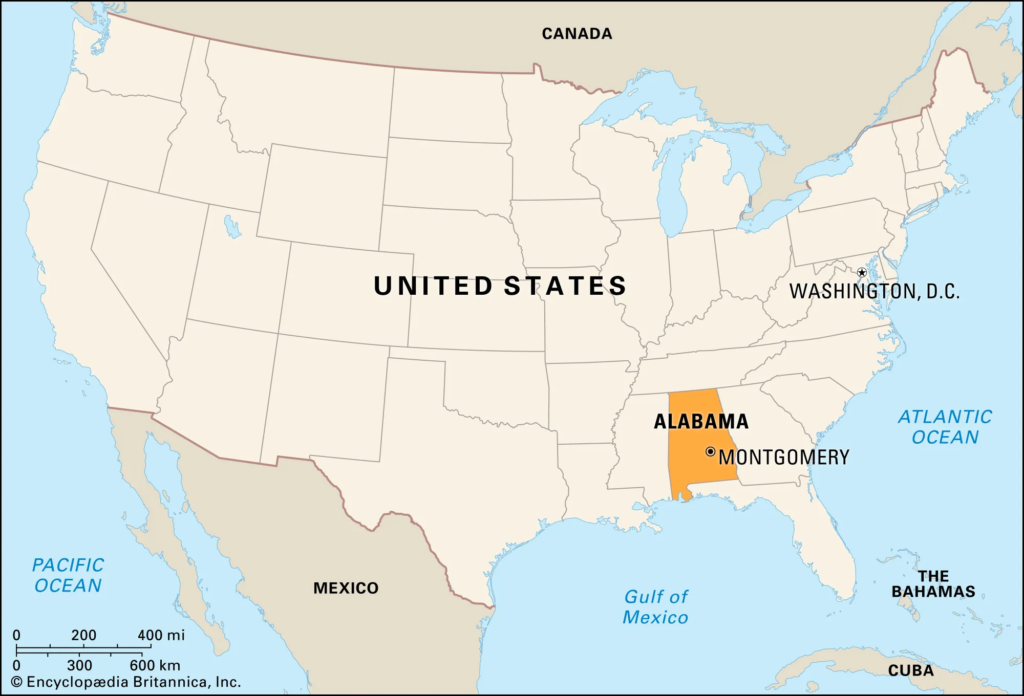
Lower Alabama Is Exactly What Many Buyers Are Looking For
The big national map tells the state-level story, but the local story is even more compelling. In Baldwin County, Alabama, the population grew from 231,767 in 2020 to 261,608 in 2024, a 12.9% increase in just a few years. The county also had 140,048 housing units in 2024, a median household income of $78,775, and a median owner-occupied home value of $316,900.
That growth helps explain why living in Lower Alabama has become such a hot topic for out-of-state buyers, retirees, military families, remote workers, and even people making in-state moves. This is one of the clearest local examples of the broader migration trend showing up inside Alabama. That is an inference based on Alabama’s strong in-migration and Baldwin County’s fast recent growth.
When people picture Lower Alabama real estate, they are often thinking about places like Fairhope, Daphne, Spanish Fort, Foley, Gulf Shores, and Orange Beach. What makes these areas so attractive is not just one thing. It is the combination of coastal access, newer housing, more breathing room, strong community growth, and a pace of life that feels more manageable than many higher-cost states and crowded metros.
Why People Are Relocating to Alabama
A big reason relocating to Alabama is gaining traction comes down to economics. HireAHelper found that lower cost of living strongly correlated with positive migration in 2025, especially across the Southeast and Mountain West. Alabama was specifically named as one of the states attracting movers who want lower taxes, more affordable housing, and growing job opportunities.
Alabama’s housing numbers help reinforce that story. Statewide, the median value of owner-occupied homes was $209,900, and median monthly owner costs with a mortgage were $1,433 in the 2020–2024 Census estimates.
Taxes matter too. The Alabama Department of Revenue says real property is assessed at 20% of fair market value before millage is applied, and notes an average statewide millage rate of 42 mills. Local rates vary, but this structure helps explain why Alabama is widely seen as a lower-property-tax state compared with many parts of the country.
For many households, that is the whole equation behind moving to Alabama: stretch the budget further, buy more house for the money, and live in a place that feels less financially punishing.
Why Lower Alabama Feels Different
Here is where the conversation shifts from numbers to lifestyle.
People are not just moving to Lower Alabama because it is cheaper. They are moving because it feels like a better fit. Lower Alabama offers something many relocating families are craving right now: space, sunshine, community, and a sense that life is a little more livable here.
That means different things to different people. For some, it is being close to the water without paying the price tag of other coastal markets. For others, it is new construction neighborhoods, golf-cart-friendly communities, access to great schools, or simply the ability to have a yard, a garage, and a slower pace without giving up convenience. That lifestyle appeal aligns with the broader 2025 pattern of Americans making deliberate moves shaped by affordability, job stability, and long-term quality of life.
Another important piece of this story is that most Americans who moved in 2025 did not go cross-country. HireAHelper found that 78.49% of moves were intrastate. That matters because it tells us buyers are not only leaving expensive states for places like Alabama, they are also making regional and lifestyle upgrades within the Southeast. In other words, living in Lower Alabama is not only attractive to out-of-state movers. It is also attractive to people already in the region who want something better.
What This Means for Buyers Considering Lower Alabama
If this migration trend continues, Lower Alabama real estate will keep getting more attention.
That does not mean every home will fly off the shelf overnight or that every town will grow at the same pace. But it does mean demand is no longer a fluke. The interest in moving to Lower Alabama is being supported by national migration data, statewide in-migration, and strong local population growth in places like Baldwin County.
For buyers, that means timing and strategy matter. The best opportunities are often found by narrowing in on what matters most, whether that is proximity to beaches, newer construction, lower-maintenance living, retirement-friendly communities, or long-term value. For sellers and builders, it means the audience looking at Lower Alabama is getting broader and more serious.
The biggest takeaway from this migration map is simple: people are still chasing value, lifestyle, and opportunity, and Alabama is increasingly where they believe they can find it.
More specifically, Lower Alabama is becoming one of the most compelling relocation stories in the state. Between Alabama’s strong migration gains and Baldwin County’s rapid growth, the case for moving to Lower Alabama is no longer just anecdotal. The numbers are starting to back it up.
If you are researching moving to Alabama, exploring living in Lower Alabama, or trying to figure out whether Lower Alabama real estate fits your goals, this is exactly why so many people are taking a serious look now.
If you found this breakdown helpful and want to see what living in Lower Alabama actually looks like beyond the numbers and migration data, we’ve put together a full video walking through it.
We talk more about why Americans are moving to Alabama in 2025, what’s changing on the ground in places like Baldwin County, and what it’s really like living in communities such as Fairhope, Daphne, Spanish Fort, Foley, and Gulf Shores.